

ABOUT
Hydrogen Project
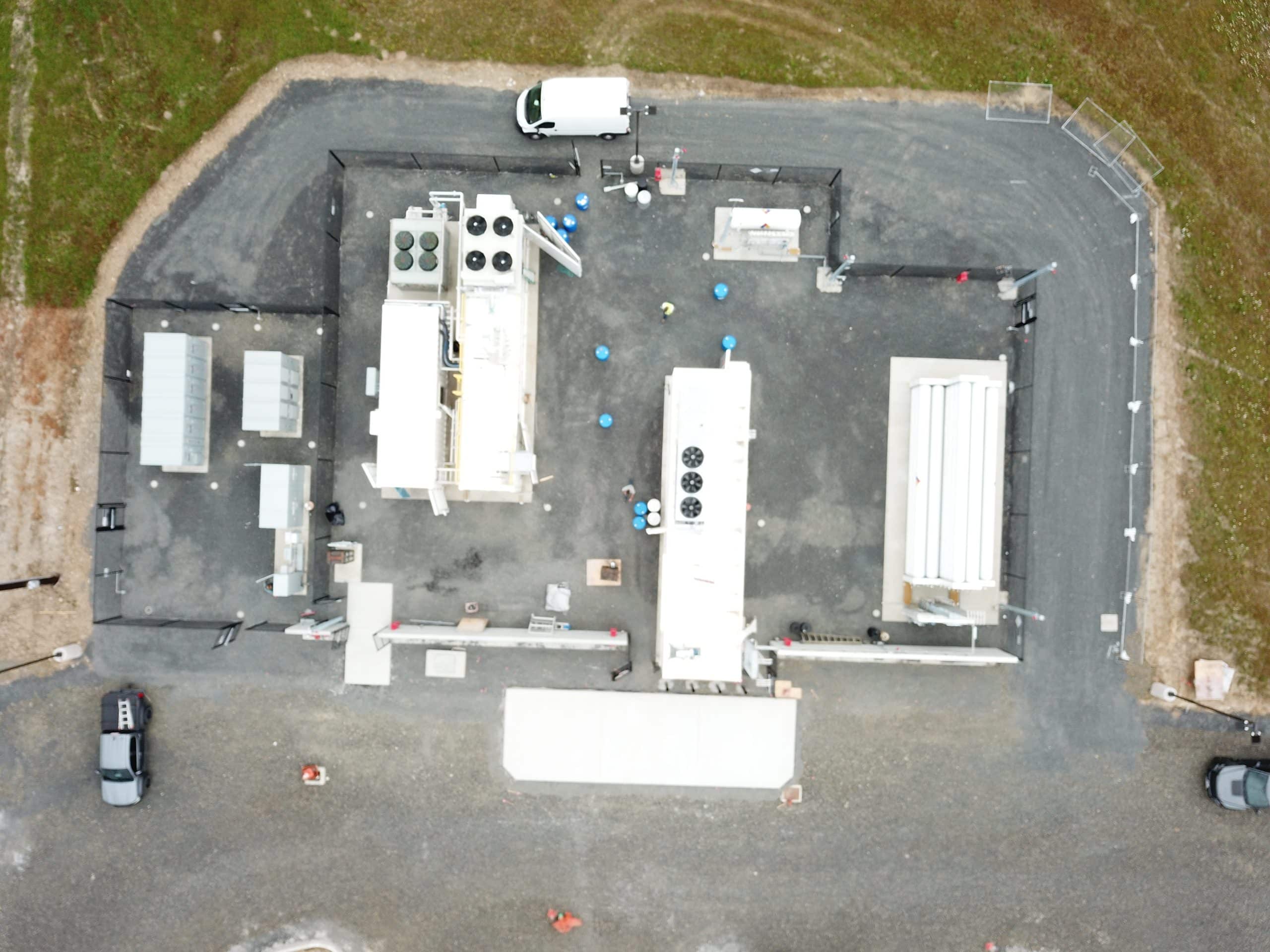
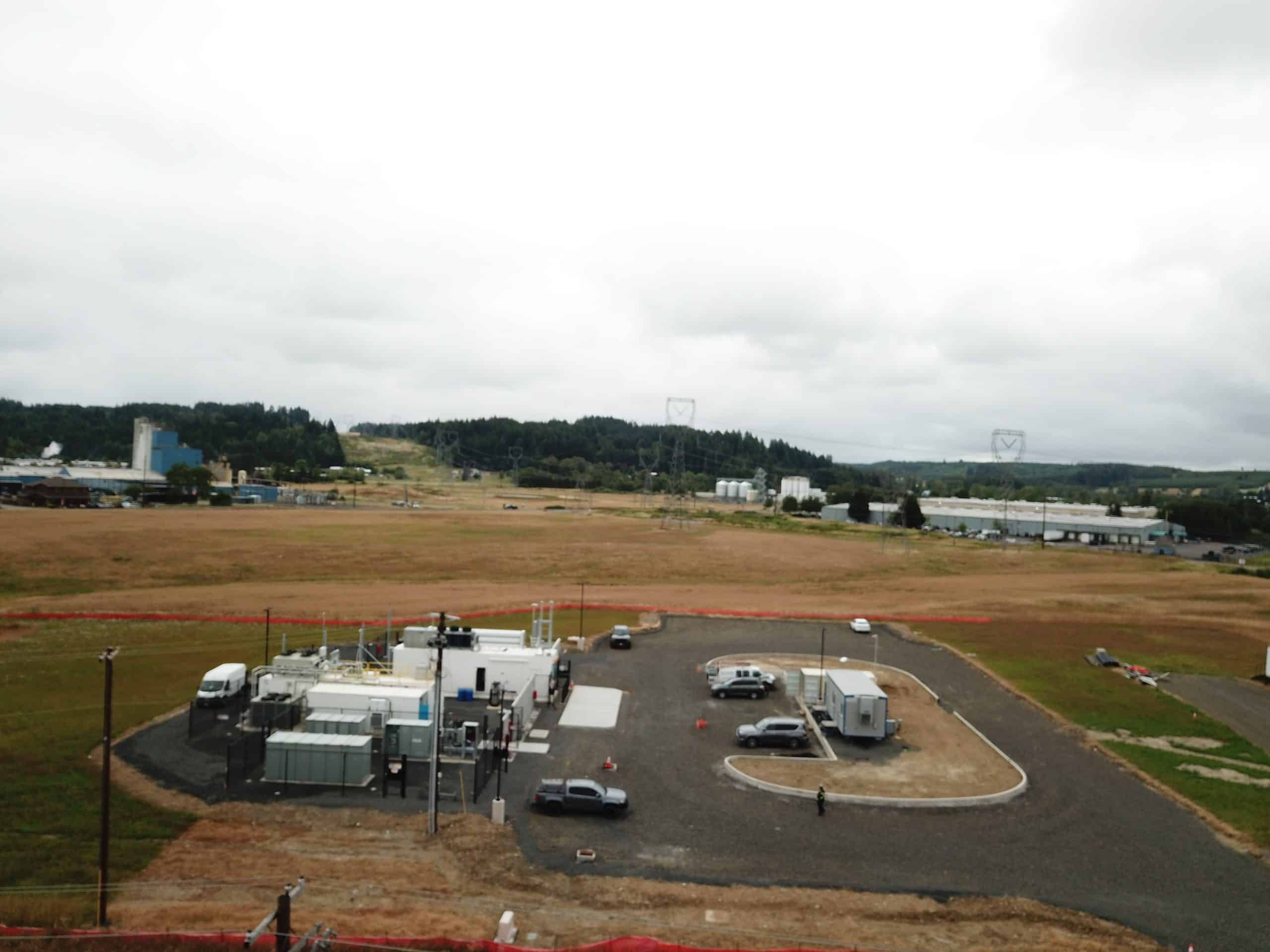
Hydrogen Fueling Station Project
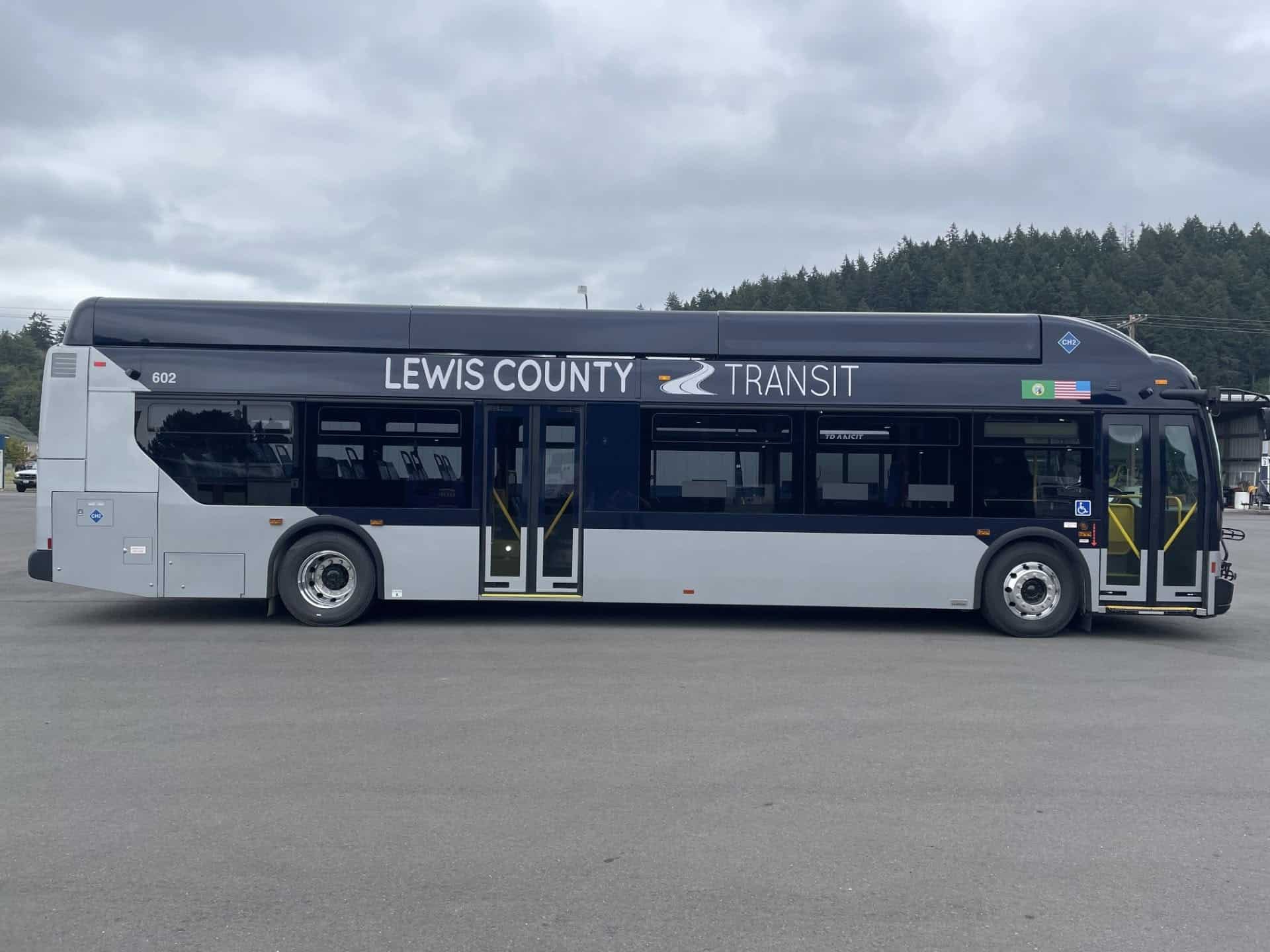
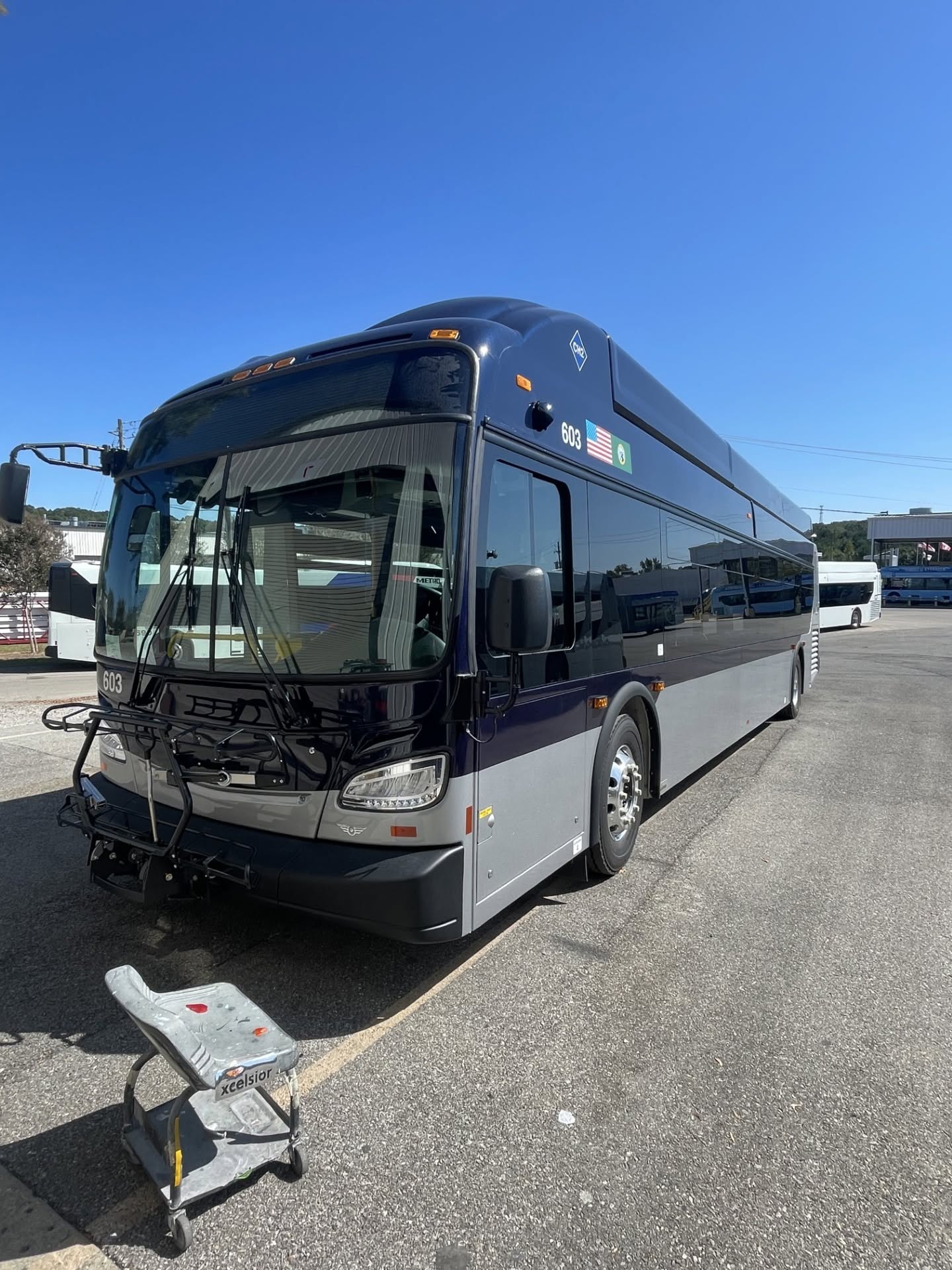
Beginning in 2020, Lewis County Transit embarked on a ten-year plan to transition to an entirely zero-emission fleet by 2030. Both battery-electric and hydrogen fuel cell technologies were evaluated, leading to the planning of the Port of Chehalis Hydrogen Fueling Station.
As of 2026, approximately 30% of our fleet has been operably replaced with zero-emissions vehicles. When the fueling station comes online, Lewis County Transit will be effectively 50% zero-emissions.
Frequently asked questions
Why hydrogen?
While electric vehicles (EV) are an effective, safe, and eco-friendly means of transportation, the limited range of EV buses on a single charge makes their usage impractical for public transportation. By outfitting the buses with an on-board backup charger, such as a hydrogen fuel cell, we can extend their range significantly and reduce the downtime spent at charging stations.
The closest hydrogen fueling station is located in CA. In order to utilize hydrogen fuel cells for a more operable range on EV buses, Lewis County Transit sought partners and funding to build a local fueling station. This fueling station will not only allow Lewis County Transit to fully transition to a zero-emissions fleet and recoup the costs of new vehicles, it will also open the door for other regional entities to switch to sustainable transportation methods.
Where will the fueling station be located?
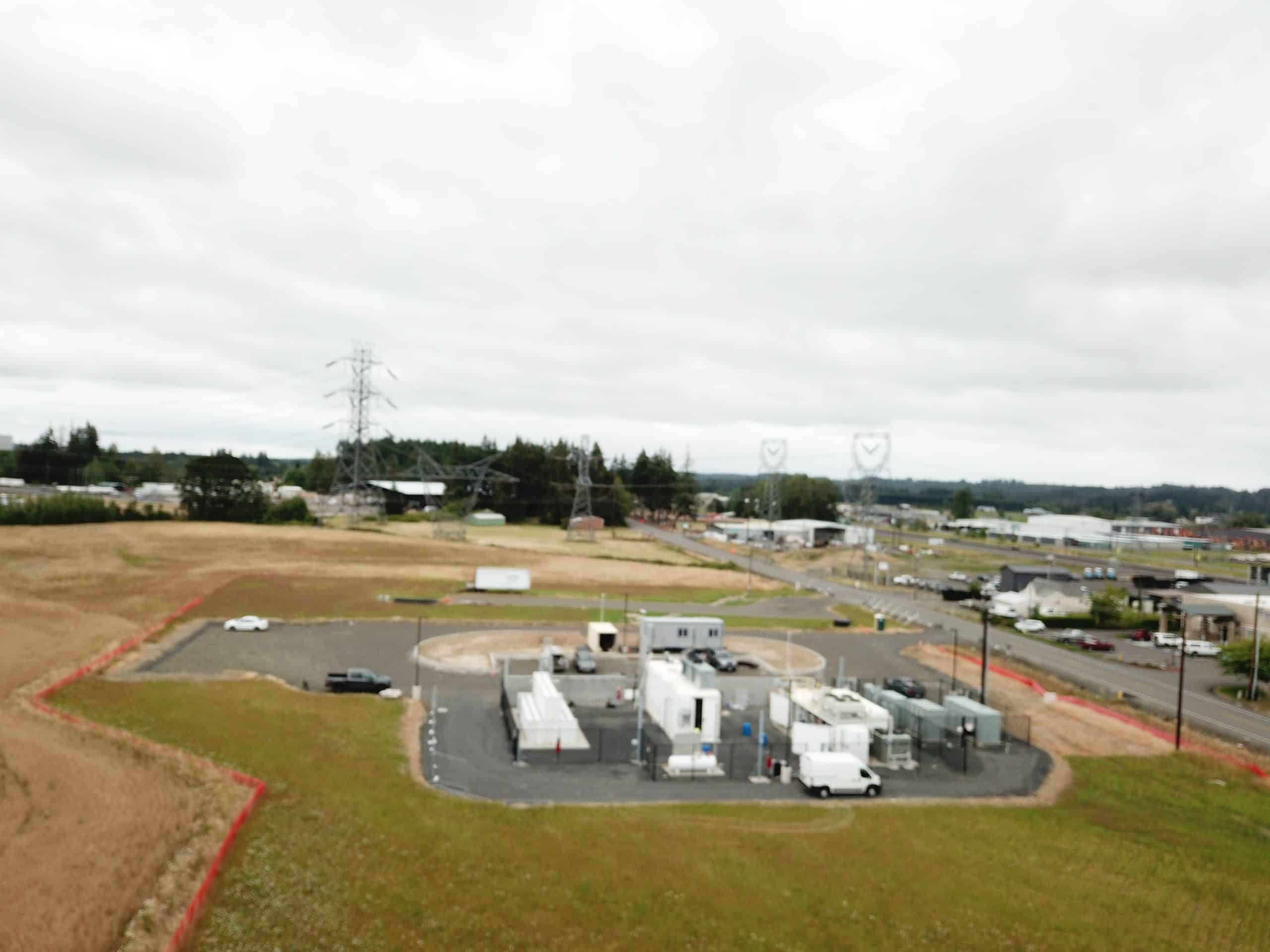
Construction is currently well underway on a fueling station located in the Chehalis industrial port. The location and opening of the facility will be publicly announced when construction is complete.
Is hydrogen fuel safe?
Yes. Hydrogen fuel technology has been extensively tested in real-world conditions and is designed with safety in mind. Hydrogen-powered vehicles are equipped with multiple sensors and safety systems that continuously monitor the fuel system and can quickly detect and respond to any issues.
Hydrogen fuel cells are not new technology. They have been used successfully in other countries for many years, as well as in the United States. For example, AC Transit in California has been using hydrogen fuel cell buses for approximately 15 years.
When did this project begin?
Planning for Lewis County Transit’s hydrogen fueling station began in 2022 and 2023.
The project reached an exciting milestone with a groundbreaking ceremony held in the fall of 2025.
Who will be responsible for maintaining the station?
Maintenance responsibilities for the hydrogen fueling station will likely be shared between Lewis County Transit and the equipment vendors. Long-term maintenance agreements are still being finalized as the project moves forward.
For day-to-day operations, Lewis County Transit staff will be the primary “boots on the ground” team overseeing the station and responding to routine needs.
How is this project being funded?
Much of the cost associated with the hydrogen project is being covered through grants. The hydrogen-powered vehicles themselves are largely grant-funded, and the fueling station has been partially funded by grants, as well.
Lewis County Transit is continuing to develop plans for the station’s long-term operating costs as the project moves forward.
What percentage of the fleet is currently zero emission?
As of 2026, approximately 30% of our fleet has been operably replaced with zero-emissions vehicles. When the fueling station comes online, Lewis County Transit will be effectively 50% zero-emissions.
How does this project benefit Lewis County?
There are several benefits to bringing hydrogen technology to Lewis County.
Hydrogen-powered vehicles produce no exhaust emissions, which means cleaner air and a healthier environment for our community, our land, and future generations.
These vehicles can also travel longer distances between refueling thanks to the efficiency of hydrogen fuel, making them a good fit for Lewis County Transit’s service area. Over time, producing hydrogen fuel can be less expensive than purchasing traditional fuels, which may help reduce operating costs.
In addition, Washington State offers incentives for the production and use of environmentally conscious fuels, helping support projects like this one.
For more questions, contact Lewis County Transit at info@lewiscountytransit.org.
LEWIS COUNTY TRANSIT FIXED ROUTE SERVICES
RIDER GUIDE
Trip Planner
Not sure what route you need to get where you’re going? Use our trip planner to get you to the right stop with our fare-free transit.
Route Schedule
Check the schedule and find the bus that’s going your way. Fare-free!
Travel Training
Don’t know where to start? We offer personalized training to get you up to speed!